








In everything give thanks; for this is the will of God in Christ Jesus for you.
- 1 Thessalonians 5:18 (NKJV)
In every circumstance, there is something to be thankful for.
Whenever we are tempted to grumble and complain, we should immediately go to the Lord and talk to Him about it.
While He does not want us to bottle up our emotions, we shouldn’t allow complaints and feelings to drive our actions and mindset.
Consciously choosing to let go of our murmurings and instead giving thanks causes a powerful shift to take place in our heart and mind!
Trust the Lord enough to be consistently open with Him.
Don’t wait until you are drained and discouraged before coming to Him.
The longer we allow our words and thoughts to dwell on complaining, the more upset we become.
When you pour them out to the Lord instead, He is able to exchange what is bothering you with a song of thankfulness. In addition, you can also thank Him for what a wonderful listener He is!
Showing gratitude even in the midst of tough circumstances will help your heart to be in a position to receive God’s joy and peace that transcends understanding.
At any moment you thank Him, you are assuming your proper stance as a child of God!
TODAY: Choose to have a thankful heart. If there comes a moment where you struggle, take a moment to meditate on God’s goodness and who He is: the author of your life! He is your redeemer, healer, savior, protector, best friend, provider, beloved and lover of your soul! No matter what happens in life, He is worthy of our praise and thanksgiving!
“Heavenly Father, thank you for this day you have made. Help me to show gratitude even in tough circumstances and thank you for being a wonderful listener when I pour out my heart to you. Exchange my complaints for your song of thanksgiving! Amen.”
With Love,
Sarah Sherstad
Scripture
“In everything give thanks; for this is the will of God in Christ Jesus for you.”
— 1 Thessalonians 5:18 (NKJV)
The Context: Gratitude in a Growing Church
Paul writes to the church in Thessalonica — believers who were facing pressure, persecution, and uncertainty. His closing instructions in chapter 5 are short, direct, and practical:
Rejoice always
Pray without ceasing
In everything give thanks
This command is not sentimental. It is spiritual formation.
Notice what Paul does not say:
He does not say “for everything give thanks.”
He says “in everything give thanks.”
Gratitude is not denial of pain.
It is a posture of trust within it.
And that posture shapes your relationship with God.
What This Means Theologically
Gratitude is described here as “the will of God in Christ Jesus for you.”
Many believers ask, “What is God’s will for my life?”
This verse answers clearly in one dimension:
A heart trained in gratitude.
Why?
Because gratitude acknowledges dependence.
Gratitude recognizes provision.
Gratitude keeps the heart soft.
Without gratitude, the heart becomes self-sufficient or resentful.
With gratitude, the heart remains relational.
Giving thanks is not merely good manners.
It is relational alignment.
When Gratitude Feels Impossible
There are seasons when thanksgiving feels unnatural:
When disappointment lingers
When prayers seem unanswered
When loss overshadows joy
When comparison steals contentment
When exhaustion drains perspective
In those moments, gratitude feels forced.
But Scripture does not command emotional cheerfulness.
It calls for intentional recognition.
Gratitude is an act of trust.
It says:
“God, even here, I believe You are present.”
“Even here, I believe You are working.”
“Even here, I trust Your character.”
And trust deepens relationship.
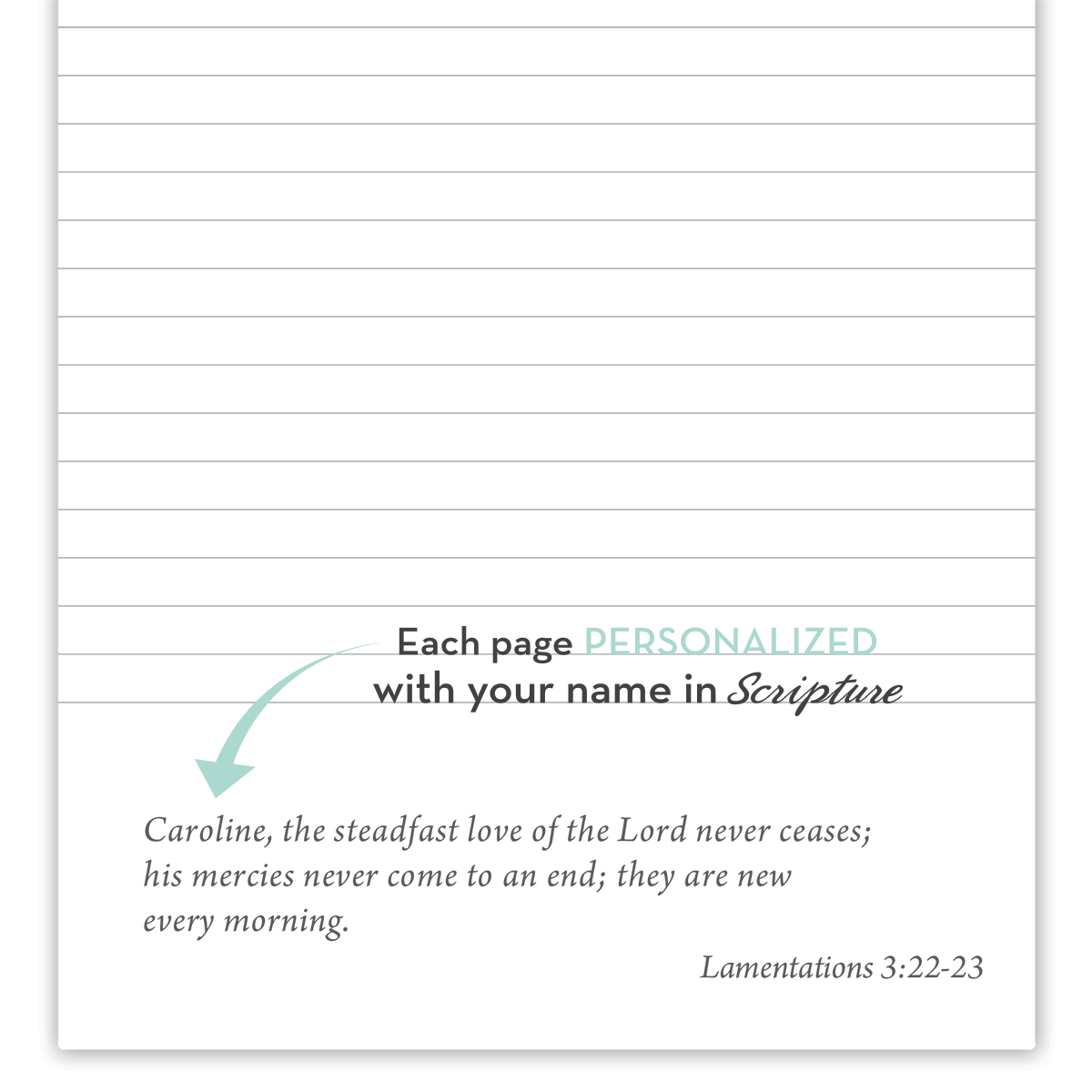
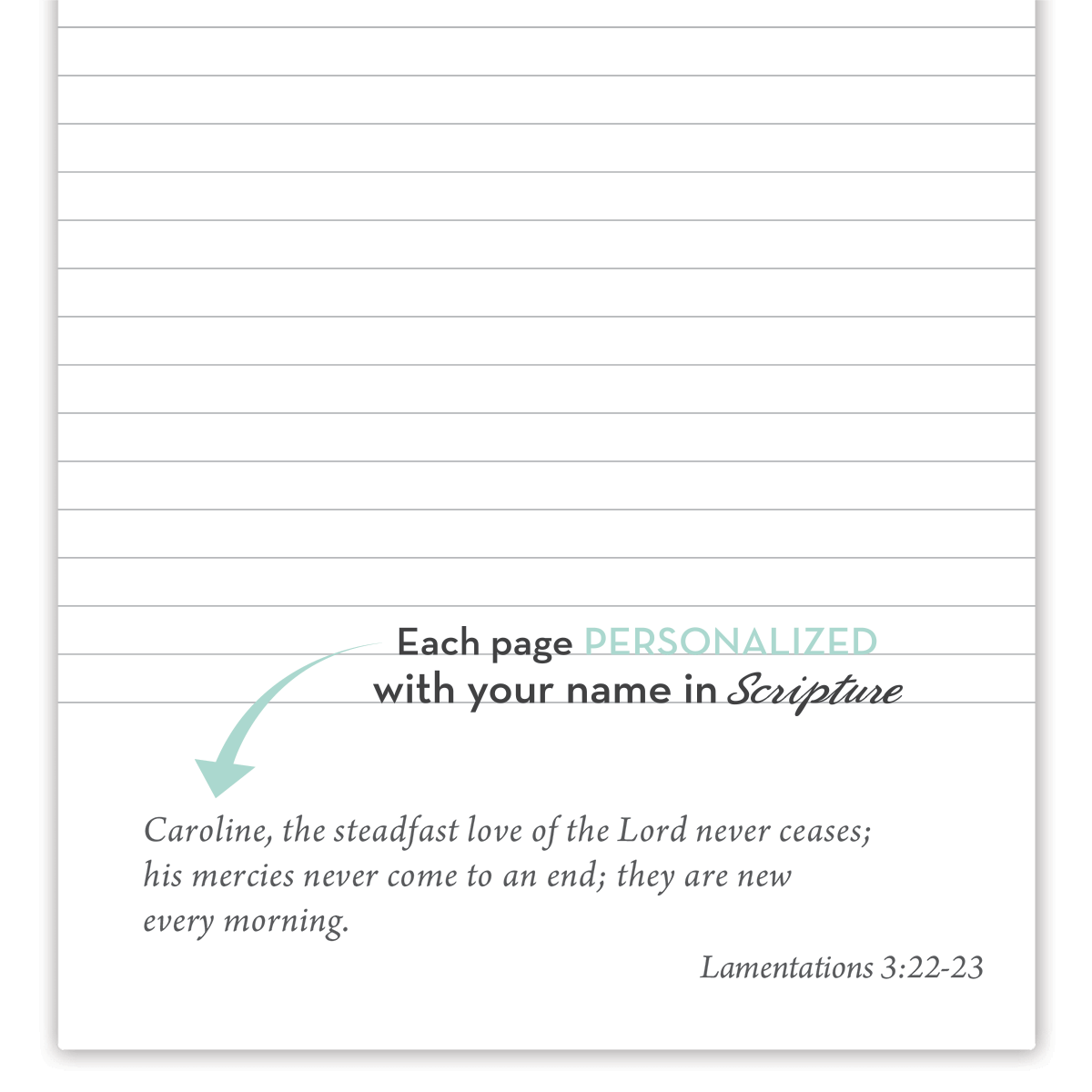
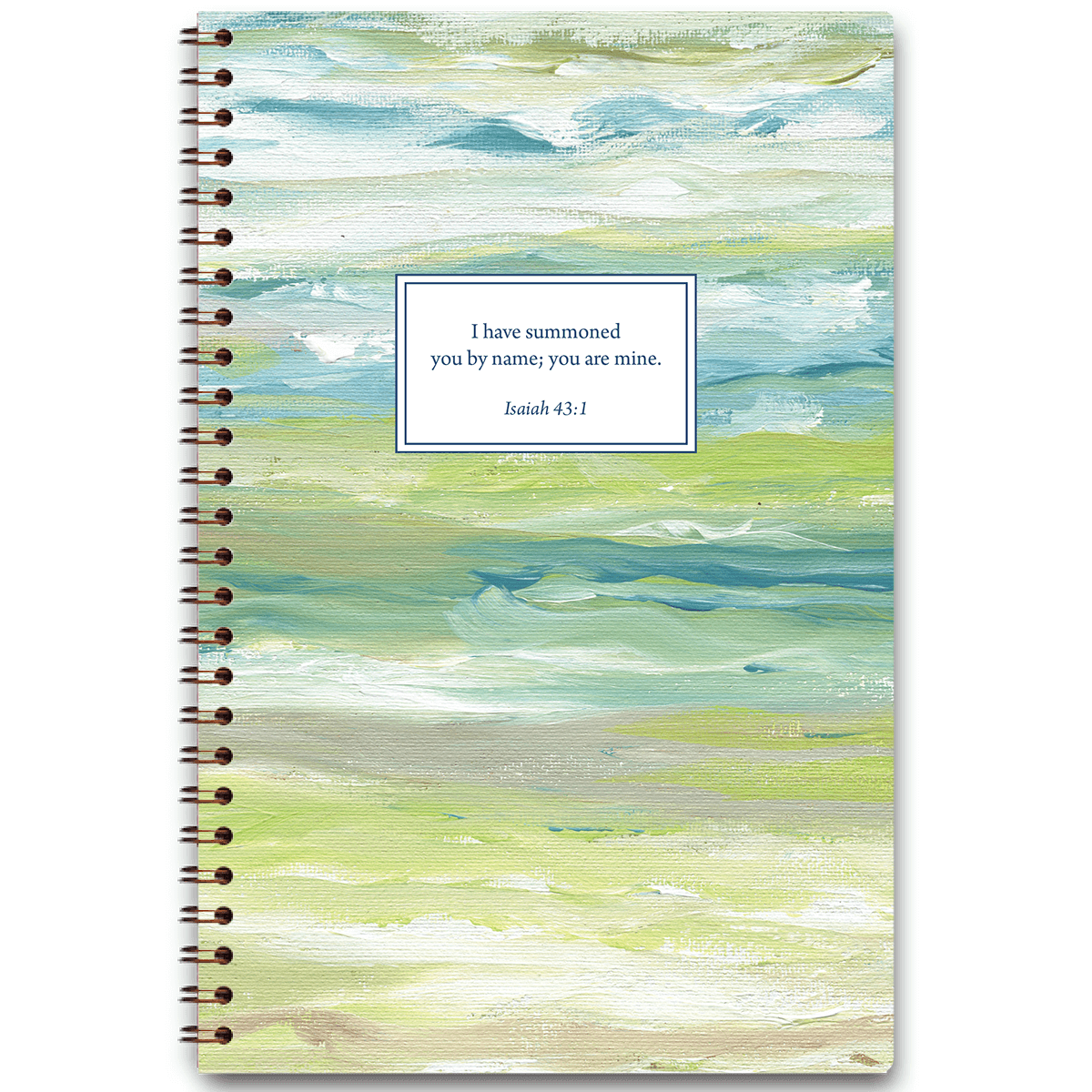
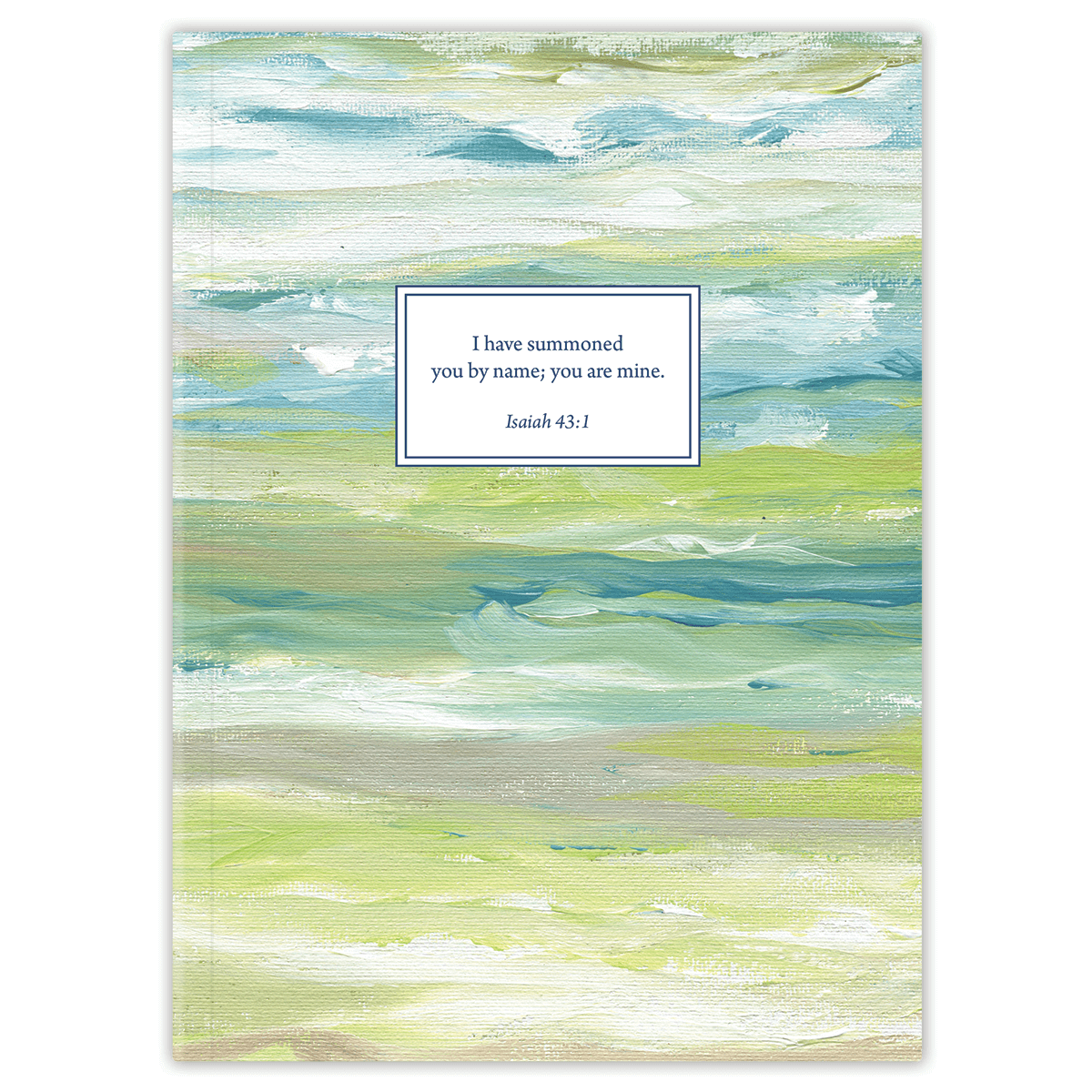
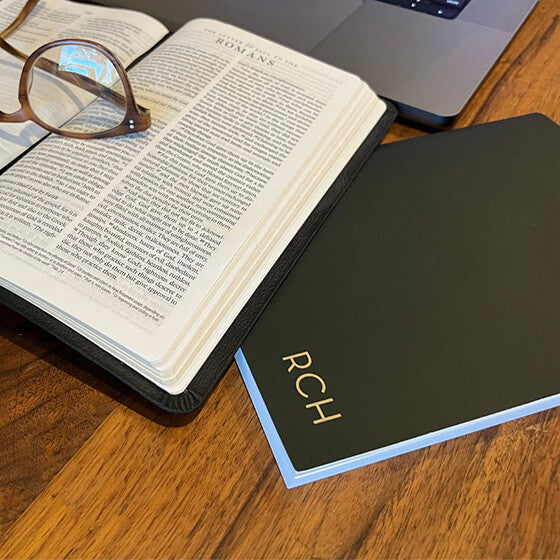
Use This in Your Personalized Scripture Journal
Open your Personalized Scripture Journal and approach this verse as an invitation to relational growth.
Step 1: Evaluate Your Current Posture
Write honestly:
What circumstance feels hardest to give thanks in?
Have I been focusing more on what is missing than what is present?
Where has comparison shaped my thinking?
Do I approach God more with complaint or gratitude?
What blessings have I overlooked recently?
Honesty creates space for intimacy.
Step 2: Practice Specific Gratitude
Write down:
Three tangible provisions from today
One relational blessing
One spiritual growth moment
One difficulty where you can still see God’s hand
Specific gratitude strengthens awareness of God’s involvement in your life.
Step 3: Turn Gratitude into Conversation
Write a direct prayer:
Thank Him for provision.
Thank Him for growth.
Thank Him for unseen protection.
Thank Him for patience with you.
Even thank Him for what is still unresolved — not because it is easy, but because He is trustworthy.
Gratitude transforms prayer from request-heavy to relationship-centered.
Step 4: Rewrite the Verse Personally
Write:
“In everything, I will give thanks, because this shapes my relationship with You.”
Personalize it.
Read it slowly.
Let it become intentional.
Step 5: Live Gratitude Practically
Today:
Verbally thank someone.
Pause before complaining.
Begin a prayer with thanksgiving.
Notice one small gift you usually overlook.
Gratitude practiced consistently strengthens awareness of God’s presence.
How This Builds a Personal Relationship with God
Gratitude shifts your focus from circumstance to character.
When you give thanks:
You acknowledge God’s involvement.
You affirm His faithfulness.
You recognize His nearness.
Without gratitude, prayer becomes transactional.
With gratitude, prayer becomes relational.
Gratitude softens your heart.
A softened heart draws closer to God.
Over time, thanksgiving becomes less about discipline and more about delight.
And delight deepens intimacy.
Frequently Asked Questions
What does 1 Thessalonians 5:18 mean?
It calls believers to cultivate gratitude in every circumstance, trusting God’s ongoing presence and purpose.
Does this mean I must be thankful for suffering?
No. It means maintaining gratitude within suffering, not pretending pain is pleasant.
Why is gratitude considered God’s will?
Because it shapes your heart toward trust, dependence, and relational awareness.
How can I practice gratitude daily?
By intentionally naming specific blessings and beginning prayer with thanksgiving.
What if I don’t feel thankful?
Gratitude often begins as a decision before it becomes an emotion.
How does this verse deepen my personal relationship with God?
It builds trust, softens the heart, and increases awareness of His presence in everyday life.
Living a Grateful Life
Gratitude is not circumstantial optimism.
It is relational confidence.
When you consistently give thanks, you train your heart to recognize God’s activity.
Recognition fosters trust.
Trust fosters closeness.
Closeness strengthens relationship.
And relationship is the goal.