



And Joseph's master took him and put him into the prison, the place where the king's prisoners were confined, and he was there in prison.
- Genesis 39:20
Joseph suffers, not because of sin, but because of virtue, truth, and goodness.
This is the way our Lord would have it; as Luther said, “Those who believe in God must suffer on account of virtue, truth, and goodness; not on account of sin and shame.”
Joseph’s disposition seems to be one of confidence; it's as if he knew what the Puritans meant when they said “it is a good thing when God throws us into the cellar of affliction, for it is there that He keeps his best wine.”
“Joseph is to become a Lord, though he had seemingly entered into the prison of hell (Luther).”
For now, Joseph’s way is one of shadow and darkness (Psalm 23), but this is the way through which God often leads his people. Moses, David, Paul, Luther, even King Jesus walked a darkened path.
Joseph has been betrayed, thrown into a pit, sold into slavery, falsely accused, sent to prison; Joseph has tasted the rotten fruit of hell. Yet, here he stands. Joseph continues to follow the Shepherd through the valley of darkness— why?
There is only one answer, much like there is only one reason why the Shepherd would lead his sheep through the valley of the shadow and death: there must be something far better on the other side.
Praise be to God; Joseph is about to discover the other side!
Press On,
Pastor Harp
.........................
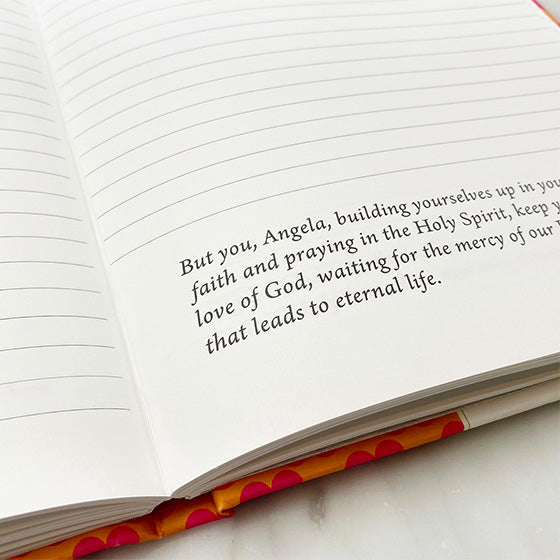
As you sit with this passage, allow the story of Joseph to settle into your own heart. God’s presence didn’t remove the prison—but it did redefine it. Take a moment to reflect on where this truth meets your life today. As you consider Genesis 39:20, turn your attention to your journal. Writing creates space to notice where God may be present—even in the places that feel confining.
Use these prompts during your quiet time or personal reflection:
- Where do I feel unfairly treated or misunderstood right now?
- How might God be present with me even if my circumstances haven’t changed?
- What faithfulness is God asking of me while I wait?
- How can I trust God’s purpose when the situation feels like a setback?
Write honestly about your emotions, but also note where you’ve seen God’s sustaining grace in hard seasons.
Frequently Asked Questions:
What is the main message of 1 Peter 1:8?
This verse teaches that joy comes from loving and trusting Jesus, even without seeing Him, resulting in a deep, lasting joy rooted in faith.
How can I experience joy during difficult seasons?
Joy grows when we anchor our hope in Christ rather than circumstances. Spending time in prayer, Scripture, and worship helps nurture this joy.
Is joy the same as happiness in the Bible?
Biblical joy is deeper than happiness. It’s a steady confidence and gladness that comes from knowing God, not from external situations.
How can I apply this devotional daily?
Read the verse slowly, pray honestly, journal your reflections, and ask God to help you trust Him more fully throughout your day.
Prayer: God, thank You for being with me even when my circumstances feel unfair or confining. When I don’t understand the “why,” help me trust Your presence in the “here.” Give me strength to remain faithful, courage to keep walking in obedience, and peace to know that You are still working. Teach me to see this season through Your eyes and to believe that nothing is wasted in Your hands. Amen.
Deeper Dive into Scripture
“Then Joseph’s master took him and put him into the prison, a place where the king’s prisoners were confined. And he was there in the prison.”
— Genesis 39:20 (NKJV)
This verse feels abrupt.
Joseph had resisted temptation.
He had maintained integrity.
He had honored God in private.
And the result?
Prison.
Genesis 39:20 is one of those verses that challenges transactional faith — the belief that obedience guarantees immediate reward.
Joseph obeyed — and suffered.
But earlier in the chapter, Scripture repeats a powerful phrase:
“The Lord was with Joseph.”
God’s presence did not prevent prison.
It sustained Joseph within it.
This is critical.
Hardship is not always proof of disobedience.
Sometimes it is preparation for influence.
Joseph’s prison was not divine punishment.
It was divine positioning.
When Doing Right Leads to Delay
You may have experienced this tension:
You choose integrity — and lose opportunity.
You speak truth — and lose favor.
You stay faithful — and feel overlooked.
It can feel disorienting.
You may ask:
“Why did this happen when I did the right thing?”
Genesis 39 reminds us that God’s purposes often unfold invisibly.
Joseph could not see the palace from the prison.
But God could.
And the same is true in your season.
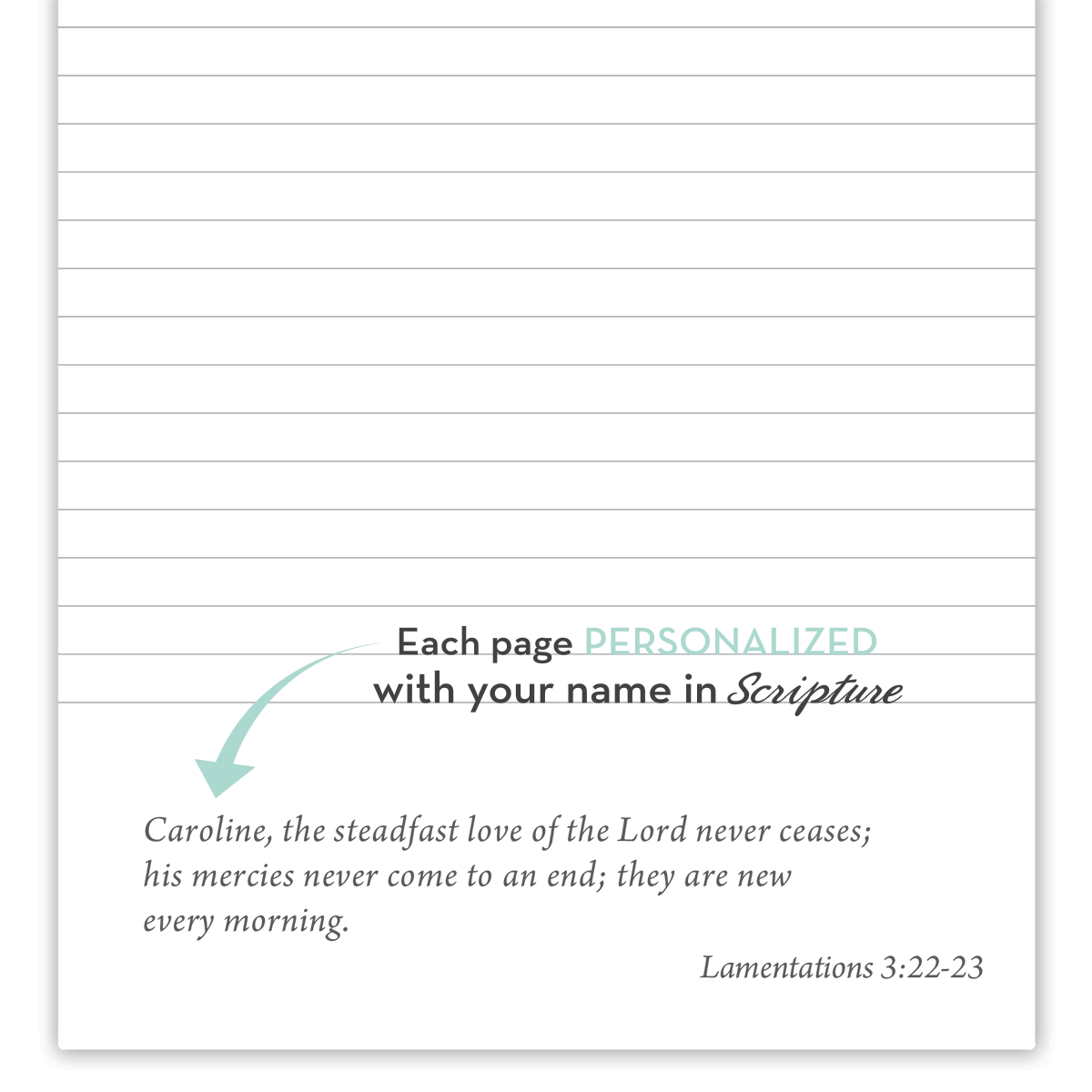
Use This in Your Personalized Scripture Journal
This passage invites deep reflection about hidden seasons and relational trust.
1. Identify Your “Prison”
Write honestly:
- Where do I feel stuck right now?
- What feels unfair?
- Where have I obeyed but not seen reward?
- What delay is discouraging me?
- Do I feel forgotten?
Be specific.
Hidden frustration, when unspoken, creates distance from God.
Honesty builds intimacy.
2. Rewrite the Core Truth
Write this sentence slowly:
“God is with me here.”
Now personalize it:
“God is with me in this delay.”
“God is with me in this uncertainty.”
“God is with me in this disappointment.”
Repeat it aloud.
Presence transforms perspective.
3. Ask What Is Being Formed
Joseph’s prison likely formed:
- Patience
- Emotional resilience
- Leadership maturity
- Dependence
- Wisdom
Write:
“What might You be forming in me?”
Instead of asking, “Why is this happening?”
Ask, “What is this building?”
That question deepens relationship.
4. Practice Faithfulness in the Small
Joseph did not disengage.
Even in prison, he served faithfully.
Write one small act of faithfulness you can practice this week:
- Show up consistently
- Speak kindly
- Maintain integrity
- Pray daily
- Serve quietly
Promotion often follows faithfulness in obscurity.
5. Release the Timeline
Write this prayer:
“Lord, I trust Your timing more than my urgency.”
Delayed outcomes can strain faith.
But surrendered timing strengthens intimacy.
How This Builds Your Personal Relationship with God
Anyone can trust God in visible success.
It takes relational maturity to trust Him in hidden seasons.
When you remain faithful without applause:
You shift from performance-based faith
to presence-based faith.
When you obey without immediate reward:
You demonstrate that your relationship with Him is not conditional.
That kind of trust deepens intimacy.
Joseph’s prison was temporary.
But the character built there lasted.
Your hidden season may be shaping capacity for something you cannot yet see.
And walking closely with God in the hidden places creates strength for the visible ones.
Frequently Asked Questions
Why did God allow Joseph to be imprisoned?
Scripture shows that God used Joseph’s imprisonment to position him for influence and deliverance.
Does obedience guarantee easy outcomes?
No. It guarantees God’s presence, not immediate comfort.
How should I respond when faithfulness feels unrewarded?
Remain steady, seek God’s presence, and trust His long-term purposes.
What if I feel forgotten?
Joseph likely felt forgotten — but God was actively preparing him.
How do hidden seasons deepen faith?
They shift your trust from outcomes to relationship.
Start each morning with a devotional like this one
A short Scripture reflection in your inbox every morning. Free, and you can unsubscribe anytime.