



Jesus the Lamb, “stands as though He had been slain”.
- Revelation 5:6
We serve a King who is both majestic and meek. He is both conquering and slain. He is the Lion and the Lamb.
Jesus' glory is a peculiar glory; it is the mingling of greatness and humility. In one scene, King Jesus the Lion “is the only one worthy to open the scrolls (Rev. 5:5).” Shortly thereafter, King Jesus the Lamb “stands as though He had been slain (Rev. 5:6).”
The Lion and the Lamb. Fully majestic. Perfectly meek.
Though we will never know the fullness of these traits on this side of heaven, we should strive to imitate our King. As His people, His Church, we should exude majesty and meekness. We are His ambassadors, His representation on earth.
Yet, rarely do I see this peculiar glory amongst His people. Too often, the Church majors in the majesty of Christ, while divorcing itself from His meekness. Just as dangerous, the Church will major in the meekness of Christ, while downplaying His majesty. Jesus is King of Kings and Lord of Lords. He's just a Lord who prefers the leper.
Your view of Jesus largely dictates how you will respond to people. Those who elevate His majesty over and above His meekness tend to be harsh. They tend to be rigid and judgmental.
Those who elevate His meekness over and above His majesty tend to be shallow. They tend to be dangerously utilitarian and pragmatic.
Either attitude, divorced from the other, promotes sin. To major in one or the other misses the mark of who Christ is; to major in one fails to image Christ rightly. The majesty of Christ never trumped the meekness of Christ. Nor did His meekness overshadow His majesty.
To say it another way, Christ never divorced His convictions (who He is) from His compassion (what He does). Nor should we.
Press on,
Pastor Harp
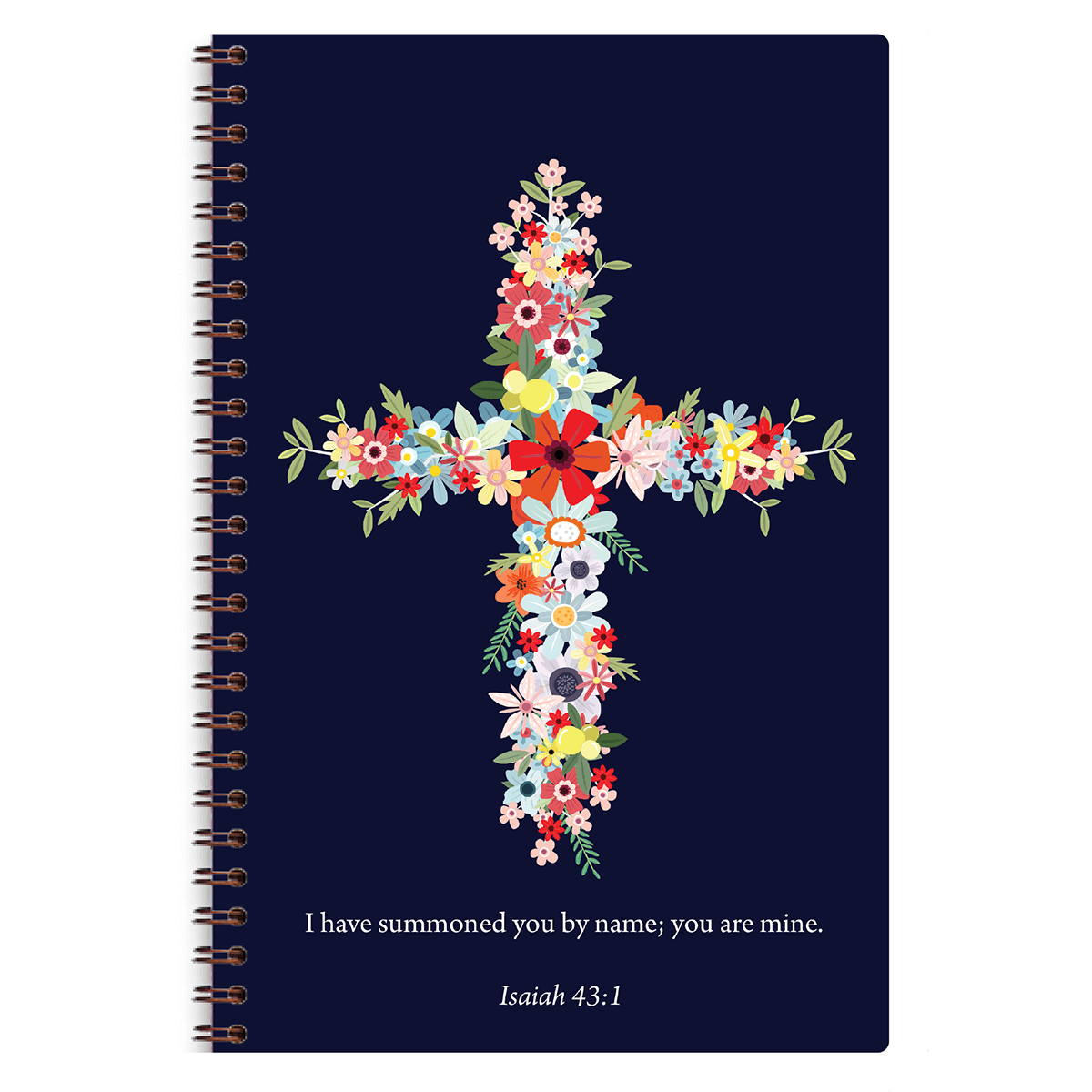
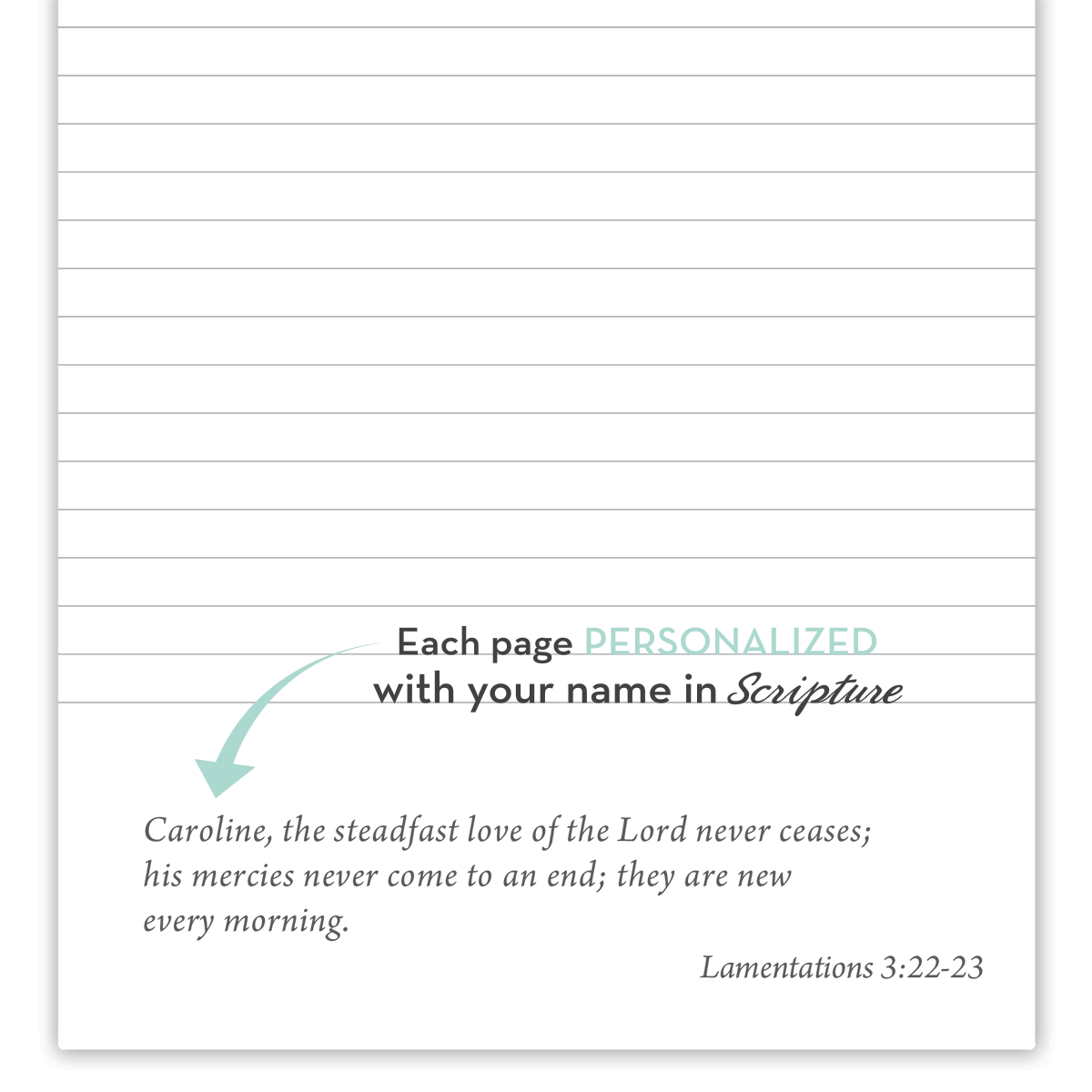
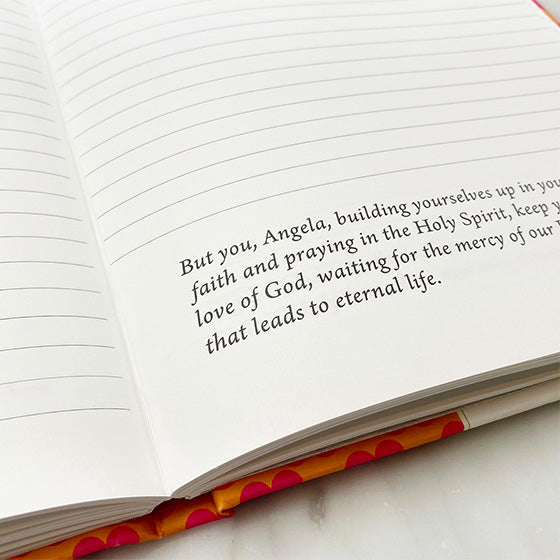
Use This in Your Personalized Scripture Journal
As you reflect on Revelation 5:6, take time to write through these prompts:
· What does it mean to me that Jesus is both victorious and sacrificial?
· Do I truly grasp the cost of my redemption?
· Where do I need to remember that victory often comes through surrender?
· How does this image of the Lamb shape my worship?
· What areas of my life need deeper gratitude for His sacrifice?
John sees a Lamb who appears slain, yet standing — a powerful image of sacrifice and resurrection. Jesus’ victory was not achieved through force, but through surrender. His wounds became the path to redemption.
Use this space to write a prayer thanking Christ for His sacrifice and asking Him to deepen your worship and gratitude.
Frequently Asked Questions
What does Revelation 5:6 mean?
It describes Jesus as the Lamb who was slain yet stands victorious, symbolizing His sacrificial death and resurrection.
Why is Jesus called the Lamb?
The Lamb represents sacrifice, echoing the Old Testament sacrificial system fulfilled in Christ.
What does it mean that the Lamb is “standing”?
It signifies victory and resurrection — death did not defeat Him.
How does this verse shape Christian worship?
It centers worship on gratitude for redemption and recognition of Christ’s authority.
How can journaling deepen my understanding of redemption?
Writing helps you reflect on the personal significance of Christ’s sacrifice.
Start each morning with a devotional like this one
A short Scripture reflection in your inbox every morning. Free, and you can unsubscribe anytime.