




“But I do not account my life of any value nor as precious to myself...”
- Acts 20:24
Humility towards God and people is essential to the Christian faith. The apostle Paul's life was marked by humility and self-awareness.
Paul's humility is most clearly seen in his own self-appraisal.
Paul was born again on the road to Damascus. As he begins to familiarize himself with Jesus and those in the faith, Pual writes to the Corinthians in AD55 and calls himself “the least of the apostles unworthy to be called an apostle because [he] persecuted the church of God” (1 Cor. 15:9).
Continuing in his walk, growing closer to God and prominence in the Church, Paul writes to the Ephesians five years later and refers to himself as the very least of all the saints (Eph. 3:8).
Sometime later, at the height of his notoriety, renown, and standing, Paul calls himself the foremost sinner (1 Tim. 1:15).
And then, at the end of his life, never more known and closer to God, Paul tells Timothy to come quickly because his life is ending, a life that is nothing more than a drink offering to God (2 Tim. 4:6). If you know anything about temple offerings, you know that a drink offering is the lowest form of offering, reserved for the poorest of poor.
Think about Paul's spiritual progression and keen self-awareness: a proud, self-righteous Pharisee to the foremost of sinners. Only a person of genuine humility would describe himself in such terms.
From where did Paul's self-awareness come? Paul knew that the closer he got to God, the more he needed God. The closer he got to the light of Christ, the more he saw his sin and corruption. Paul had genuinely tasted grace, which made him thirst and hunger for grace all of his days.
In light of God's grace, where do you see yourself today? A spiritual giant, do you believe that you have arrived? Or, like Paul, are you so close to God, seeing Him for who He is, that you realize your enormous need for God?
A true spiritual giant knows that he stands as an impoverished dwarf before God.
Press on,
Pastor Harp
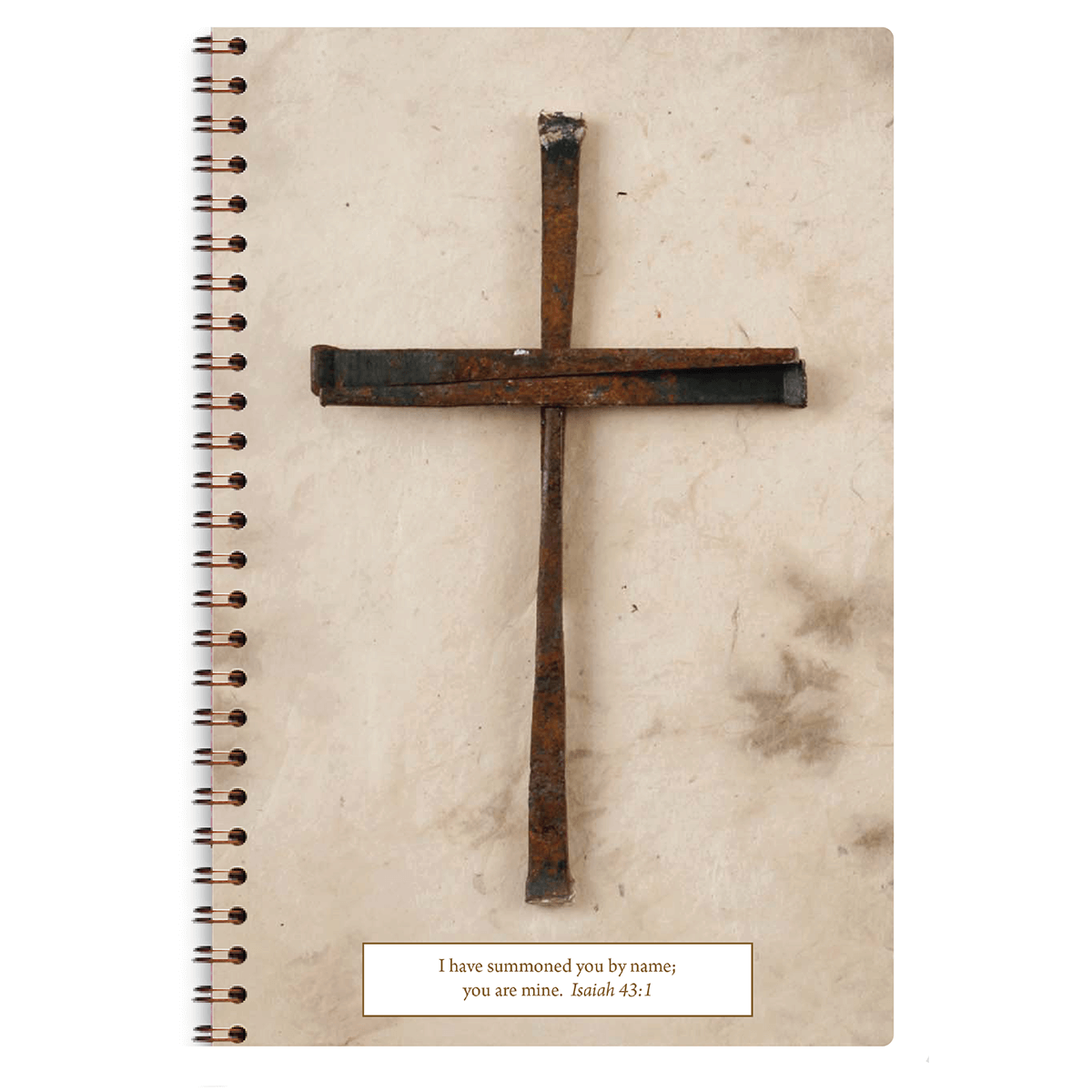
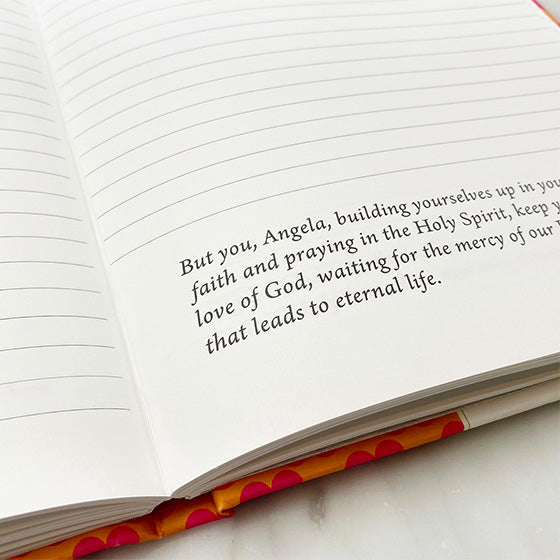
Use This in Your Personalized Scripture Journal
As you reflect on Acts 20:24, take time to write through these prompts:
· What has God called me to in this season?
· Am I easily discouraged when things get difficult?
· What distractions are pulling me away from my purpose?
· How do I measure success — comfort or faithfulness?
· What would it look like to finish well?
Paul’s words reveal clarity and conviction. His life was not centered on personal comfort but on completing the mission entrusted to him. Purpose requires perseverance. Faithfulness matters more than ease.
Use this space to write a prayer asking God to strengthen your resolve and help you remain focused on the calling He has placed on your life.
Frequently Asked Questions
What does Acts 20:24 mean?
It expresses Paul’s commitment to completing the mission God gave him, regardless of personal cost.
What is the “race” Paul refers to?
It represents the calling and ministry God assigned to him.
Does this verse mean life will be easy?
No. It emphasizes endurance and faithfulness through challenges.
How do I discern my calling?
Through prayer, Scripture, wise counsel, and faithful obedience where you are.
How can journaling help clarify purpose?
Writing helps identify passions, burdens, and patterns that reveal calling
Start each morning with a devotional like this one
A short Scripture reflection in your inbox every morning. Free, and you can unsubscribe anytime.